
Secure Construction Funding & Calculate Payments

Overview of Construction Loans in Sequoia National Park
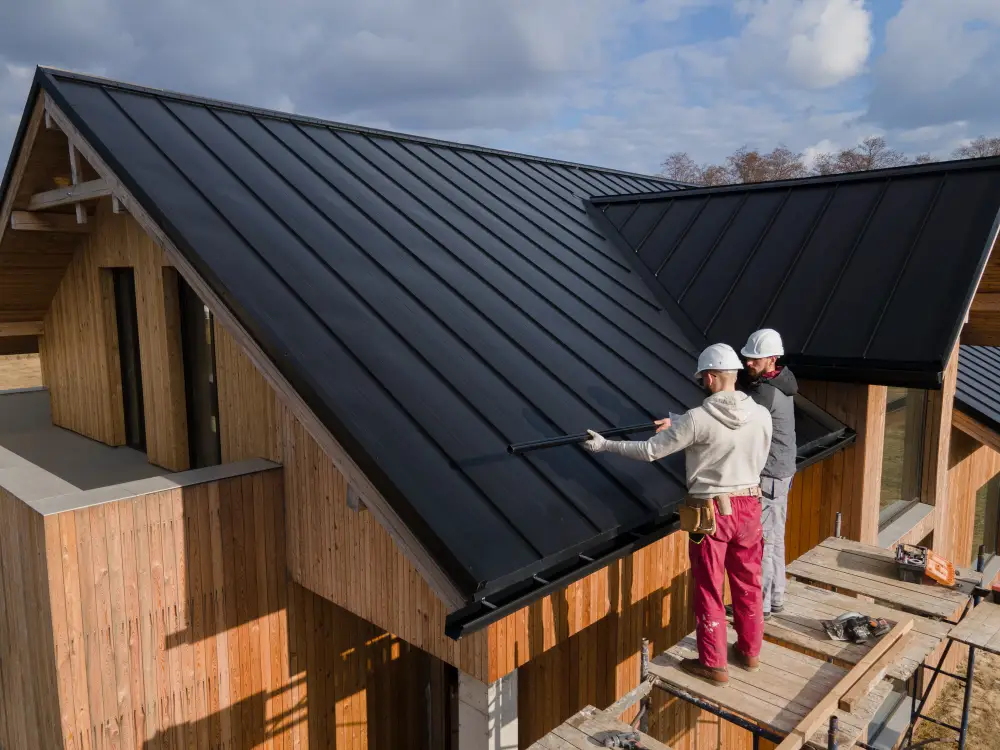
Construction loans are essential financing options for building projects in Sequoia National Park, California, helping individuals and businesses fund new constructions, renovations, or developments in this unique area. These loans provide short-term funding that is released in phases as the project progresses, ensuring that resources are available for various construction types, such as residential homes, commercial structures, or even specialized builds in natural settings.
Understanding the basics of these loans is crucial for anyone planning a project here. Typically, options include Construction-to-Permanent loans, which combine construction financing with a traditional mortgage, or standalone loans that may require separate financing afterward. Eligibility often involves factors like a credit score of at least 680, stable income, a detailed construction plan, and a down payment of 20-30%. This knowledge helps navigate potential challenges, such as higher interest rates or strict requirements, specific to projects in this region.
To secure funds effectively, start by assessing your finances and developing a solid plan. Our experienced mortgage brokers at Summit Lending can guide you through the process, ensuring you meet all necessary requirements. For accurate loan payment calculations, we recommend using our general loan calculator to estimate payments and explore options. Additionally, consider exploring related services like refinance loans or commercial loans for comprehensive support on your building endeavors.
By linking to these resources, you can make informed decisions and streamline your path to successful construction in Sequoia National Park. For more details on our offerings, visit our about page or connect with our team through our contact information.
Securing Funds for Building Constructions
Securing funds for building constructions in Sequoia National Park, California, involves a structured process to ensure your project is financially viable. This guide outlines the key steps, factors to consider based on project scale, and basic requirements to help you navigate the financing landscape.
Key Steps in Applying for Construction Financing
- Assess Your Finances: Begin by evaluating your financial situation, including your budget, credit score, and available funds. This step helps determine how much you can afford and prepares you for lender scrutiny.
- Choose the Right Loan Type: Decide on a suitable construction loan option, such as construction-to-permanent or construction-only loans. Consider how each aligns with your project's needs to avoid future complications.
- Select a Lender: Research and choose a reputable lender experienced in construction projects. Our team at Summit Lending can guide you through this process; explore options like our mortgage loans in Sequoia National Park for related insights.
- Develop a Detailed Plan: Create a comprehensive construction plan, including timelines, costs, and specifications. This document is crucial for lenders to assess feasibility.
- Apply for the Loan: Submit your application with all necessary documentation. Once approved, funds are typically disbursed in stages as the project progresses.
Factors to Consider for Different Construction Scales
For smaller-scale projects, such as residential builds, focus on factors like shorter timelines and lower overall costs, which may require less extensive financing but still demand solid credit and a clear budget. Larger-scale endeavors, like commercial developments, involve higher stakes, including increased interest rates and more rigorous risk assessments. Always weigh the project's scale against your financial stability; for instance, commercial projects might benefit from exploring commercial loans in Sequoia National Park to understand tailored options.
Additionally, consider the economic environment and potential cost overruns, which can vary by scale. For projects in areas like Tulare County, factors such as local regulations and material costs could influence your strategy. Visit our resources on construction loans in Tulare County for comparative guidance.
Guidance on Meeting Basic Requirements
To meet basic requirements for construction financing, ensure you have a stable income source to demonstrate repayment ability, maintain a credit score that meets lender standards, and prepare a down payment typically ranging from 20-30% of the project cost. Develop thorough documentation, including a detailed construction plan and budget estimates. It's also essential to understand general eligibility criteria, such as providing proof of steady employment and avoiding any outstanding debts that could affect approval. For further assistance with pre-approval, consider our services at getting pre-approved in Sequoia National Park, which can streamline your path to securing funds.
Calculating Loan Payments for Constructions
In Sequoia National Park, California, accurately estimating loan payments for construction projects is essential for successful financial planning. This process helps ensure that your building endeavors remain within budget and on schedule.
To obtain precise estimates, we recommend using our dedicated online loan calculator. This tool is designed to handle the specifics of construction financing, providing reliable calculations based on your inputs.
Essential variables to consider include interest rates, which can vary based on market conditions, and project timelines, such as the expected duration of construction phases. By inputting these details into our loan calculator, you can explore how changes in these factors affect your overall payments.
The benefits of utilizing online resources for planning include streamlined budgeting, real-time adjustments for accuracy, and the ability to make informed decisions without immediate expert consultation. For further assistance with related services, consider reviewing our mortgage loans options or exploring pre-approval to prepare for your project needs.