
Mortgage Rates Above 7%: What Utah Buyers Should Do Now (Sept 2026)



Key Takeaways
Q: Did national mortgage rates really cross 7% in late September 2026?
Yes. Freddie Mac’s Primary Mortgage Market Survey for the week of September 24, 2026 showed the 30-year fixed-rate mortgage averaging 7.03%, up from 6.95% the prior week. The 15-year averaged 6.42%. A year earlier, the 30-year average was 6.30%.
Q: Did the Fed’s September hike set my mortgage rate?
No. On September 16, 2026 the FOMC raised the federal funds target range by 25 basis points to 3.75%–4.00%. That short-term policy rate is not the same as a 30-year mortgage quote. Bond yields and mortgage-backed securities pricing matter more for your note rate.
Q: Is Salt Lake County frozen because rates are above 7%?
Not across the board. ERA Brokers Consolidated data for August 2026 shows a median sale price of $554,990 (essentially flat year over year), 4,140 homes for sale (+14.4% YoY), and 4.2 months of supply (vs 3.3 a year earlier). Buyers have more selection than last year even as financing costs rose.
Q: Does the “6% normalization” mindset still apply when averages sit above 7%?
Yes, as a planning habit. The point was never to pretend a headline is permanently 6%. It was to stop waiting for pandemic-era 3% rates and to decide from payment comfort. Read our companion piece on the 6% normalization mindset, then update your calculator assumptions to today’s range.
Q: Should I refinance just because headlines mention 7%?
Usually not if you already hold a meaningfully lower rate. Refinance math depends on your current rate, closing costs, how long you will keep the loan, and goals like ARM-to-fixed or PMI removal. Start with a break-even review on our refinance page, not with FOMO.
Q: Where should a Utah buyer start this week?
Run numbers on the loan calculator, get a real preapproval, and talk with a local loan officer who can match programs to your file. Summit Lending LLC (NMLS 2394434) serves Utah and our other licensed markets with personalized help.
When Freddie Mac’s weekly survey prints above 7%, the internet fills with two bad scripts: panic (“the market is over”) or fantasy (“wait three months and rates will crash”). Neither helps a Utah family decide whether to buy, build, or refinance.
Here is the calmer frame we are using at Summit Lending in late September 2026. National averages have moved into the low-7% neighborhood after the Federal Reserve’s mid-month hike. At the same time, Salt Lake County inventory and months of supply have improved versus a year ago. That combination changes leverage more than it cancels the housing market.
This update is informational, not a commitment to lend. Your quote depends on credit, loan size, down payment, property, and program. Still, a clear process beats refreshing rate headlines every hour.
What “Above 7%” Actually Means Right Now
Freddie Mac’s Primary Mortgage Market Survey (PMMS) for the week ending September 24, 2026 reported:
- 30-year fixed: 7.03% average (up from 6.95% the prior week)
- 15-year fixed: 6.42% average (up from 6.26%)
- Year-ago context: the 30-year averaged 6.30% and the 15-year averaged 5.49%
Industry coverage also noted that crossing 7% marked the first time that weekly 30-year average had sat above that line since January 2025. Useful context, not a prophecy about next month.
A few survey details matter before you compare your inbox quote to 7.03%:
- PMMS focuses on conventional, conforming, fully amortizing purchase loans with strong credit and a 20% down payment assumption.
- Your rate can be higher or lower depending on credit score band, loan-to-value, points, occupancy, property type, and lender overlays.
- Weekly averages lag the live pricing engines loan officers use during the day.
So treat 7.03% as a national temperature reading. Then ask what payment you can sustain on a real Utah price point with taxes, insurance, and HOA dues included.

The Fed Hiked. Mortgage Rates Still Follow Bonds, Not a Toggle Switch
On September 16, 2026, the Federal Open Market Committee raised the target range for the federal funds rate by one-quarter percentage point to 3.75% to 4.00%. That was the first hike in years and a clear signal that the Committee still sees elevated inflation risk.
What it did not do is dial your mortgage rate up by exactly 0.25% by decree.
The federal funds rate is an overnight policy rate. A 30-year fixed mortgage is a long-duration consumer credit product priced through:
- Longer-term Treasury yields and investor demand for duration
- Mortgage-backed securities (MBS) spreads and liquidity
- Inflation expectations and economic outlook
- Lender capacity, servicing costs, and credit overlays on your specific file
That is why a Fed cut can arrive while mortgage rates stay sticky, and why mortgage rates can rise even when people expect the Fed to pause. For borrowers, the practical habit is simple: read Fed news as context, then decide from a live quote and a payment plan. Our evergreen Utah guide on how to read rates without weekly whiplash covers the same distinction in more detail.
Utah’s Local Picture: Prices Steady, Selection Better
National rate headlines do not tell you whether you can negotiate on a Wasatch Front listing. Local supply does.
According to ERA Brokers Consolidated research for Salt Lake County in August 2026 (data checked around September 28, 2026):
- Median sale price: $554,990 in August, essentially flat versus $555,000 a year earlier
- Homes for sale: 4,140 (+14.4% year over year)
- Months of supply: 4.2 (versus 3.3 the prior August)
- Homes sold: 987 (−9.4% year over year)
In plain language: prices held near last year’s August median, buyers saw more listings, months of supply moved toward a more balanced feel, and closed sales slowed. That is a different market than the frantic ultra-low-inventory stretches many Utah buyers remember.
Neighborhoods still vary. A well-priced home in a high-demand corridor can move quickly. An overpriced listing can sit. Your job is not to average the county into one emotion. Your job is to shop with a financing plan that survives a low-7% payment and still leave room for taxes, insurance, and life.
If you are looking north of Salt Lake, pair this county snapshot with local pages and conversations about Weber and Box Elder conditions, and use a Summit loan officer who already works those corridors.
How the 6% Planning Mindset Still Helps Above 7%
Earlier in 2026 we published The 6% Normalization Mindset. The core idea was not a promise that rates would stay under 6% forever. It was a refusal to freeze life waiting for a return to roughly 3%.
That habit still works when the weekly survey prints 7.03%. Update the numbers. Keep the discipline.
- Payment first. Write down a comfortable total housing payment, not the maximum a letter might allow.
- Rate range second. Model today’s realistic band (including scenarios a bit above the weekly average) instead of hoping for a miracle print.
- Local leverage third. Use rising months of supply to negotiate repairs, credits, or timing where the listing supports it.
- Exit myths. “I will buy only if we get back to 3%” is not a plan. Neither is “rates above 7% mean never buy.”
If rates ease later, many purchase borrowers can revisit refinance options. If they do not ease soon, you still need a home payment that fits the life you are living now.
Payment Planning When Headlines Sit Above 7%
Rate talk becomes real only when it becomes a monthly number. The table below is an illustrative principal-and-interest framework only. It is not a Summit quote, not an APR disclosure, and not a commitment to lend. Taxes, insurance, HOA dues, mortgage insurance, and your actual priced rate will change the total.
| Loan amount (example) | Illustrative note rate | Approx. 30-year P&I | What to watch |
|---|---|---|---|
| $400,000 | 6.00% | About $2,400 / month P&I | Useful as a “normalized” planning baseline from earlier 2026 conversations |
| $400,000 | 7.00% | About $2,660 / month P&I | Closer to late-September national averages; still before taxes/insurance |
| $400,000 | 7.25% | About $2,730 / month P&I | Stress-test if your quote lands above the weekly survey |
| $550,000 | 7.00% | About $3,660 / month P&I | Near Salt Lake County’s August median price band if equity/down payment is thin |
How to use the table without fooling yourself:
- Add a realistic tax and insurance cushion for the county and city you are shopping.
- If you are putting less than 20% down on a conventional loan, model mortgage insurance.
- Compare the total housing payment with rent or your current mortgage over a multi-year horizon, not over one viral week.
- Re-run the loan calculator, then confirm with live pricing from a loan officer.
A half-point rate difference on a large loan is noticeable. It is rarely the only variable that decides whether a Utah move is workable. Price, concessions, insurance, and commute often move the budget as much as the headline rate.
Buyer Playbook: Leverage Inventory Without Ignoring Payment Risk
When months of supply rise and sales slow, prepared buyers often gain room to breathe. When financing costs sit above 7%, that breathing room still has to fit the payment.
Practical moves for purchase shoppers in Utah (and our other markets: Texas, Idaho, Wyoming, Arkansas, and Arizona):
- Get preapproved before you fall for a listing. A soft wish list is not a budget. Start at preapproval.
- Shop for payment comfort, then price. Back into a max purchase price from a payment you can live with at today’s rates.
- Use inspection and concession leverage where listings support it. More supply does not automatically mean every seller will cut price, but it often means more negotiation paths.
- Compare program fit, not only rate. Conventional, FHA, VA, and USDA paths (where eligible) change down payment, mortgage insurance, and reserves. Review purchase loan options and first-time buyer resources.
- Keep reserves. A higher rate environment punishes thin emergency savings after closing.
- Write clean offers. Financing clarity still wins over vague “waiting on rates” language.
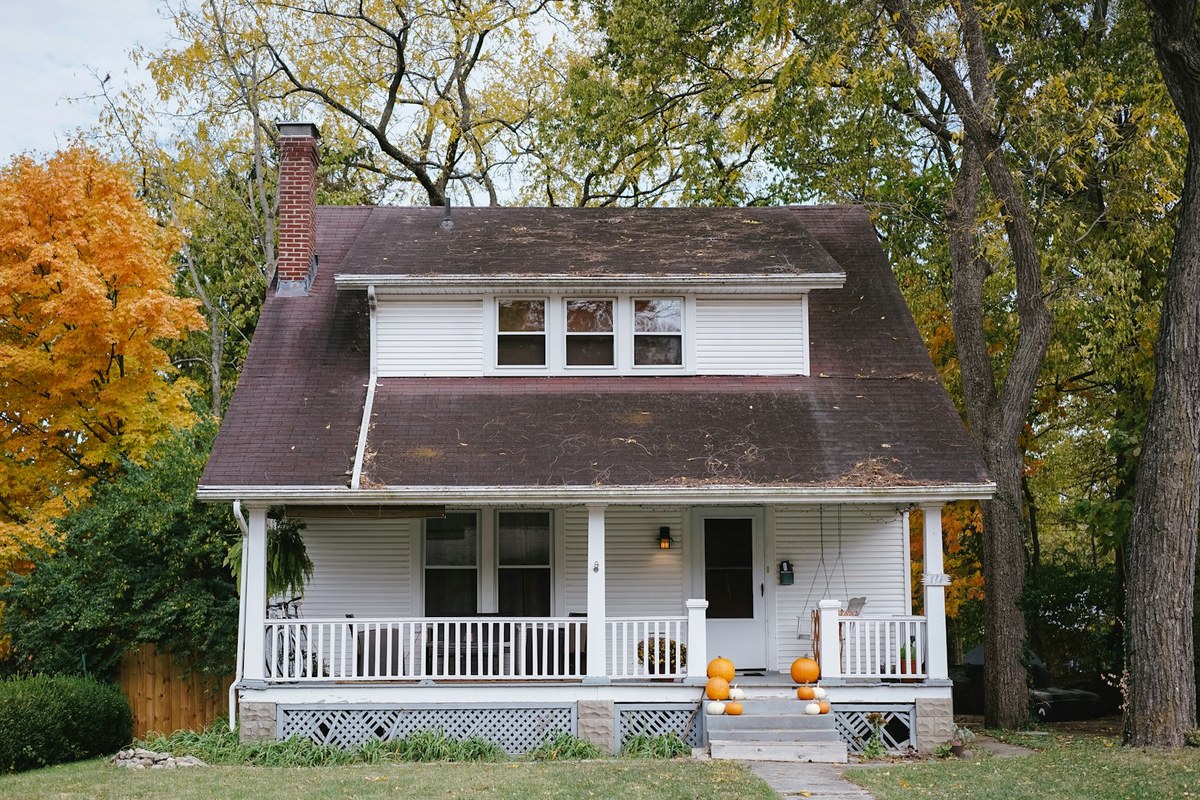
If you are a first-time buyer, resist the myth that a market only “counts” when rates are historically low. Ownership decisions are about shelter, stability, and a payment you can sustain. Rates matter. They are not the whole story.
Refinance Realism After a Move Above 7%
If you already have a mortgage near or below the mid-5s to low-6s, a national average of 7.03% is usually not a refinance invitation. Chasing a refinance because social feeds say “rates moved” is how people pay closing costs for no lasting gain.
Refinance still deserves a fresh look when one of these is true:
- You are on an ARM and want payment certainty with a fixed rate.
- You can remove or restructure mortgage insurance in a way that improves the total cost.
- Cash-out proceeds would consolidate higher-interest debt and the break-even math still works.
- You need a shorter term and can afford the payment tradeoff.
- Your current rate is high enough that even a modest improvement covers costs within your expected ownership window.
Run the break-even: total refinance costs divided by monthly savings. If you might move or sell before you break even, pause. Our refinance guide and refinance hub walk through those decision points without pretending every week is a refinance event.
Construction and Builder Caution When Financing Costs Rise
Builders and would-be owner-builders feel rate moves twice: once in construction financing and again when the home converts to a permanent mortgage. A weekly average above 7% does not make building impossible. It does demand tighter contingency planning.
Before you break ground or sign a construction contract:
- Model the permanent payment with a conservative rate assumption, not a best-case fantasy.
- Understand one-time-close versus two-time-close structures and when each fits your risk tolerance (see construction loans).
- Stress-test builder timelines. Delays can change carry costs.
- If you are a professional builder, talk through spec financing, acquisition and development, or a builder line of credit via the Builder Portal rather than stretching a consumer purchase product.
Utah construction demand remains real in many corridors, but payment discipline matters more when permanent rates sit in the 7s. We would rather help you redesign scope than cheerlead a payment you will resent.

Decision Table: Buy, Wait, Refinance, or Build?
| Situation | Bias toward action if… | Bias toward patience if… |
|---|---|---|
| First-time purchase | Payment fits with cushions; you found a home that works; local inventory gives you choices | Payment only works if rates fall soon; credit/down payment still unstable |
| Move-up buyer | Equity and sale plan are clear; new payment still fits after both sides close | You need a perfect sale price and a sharp rate drop on the same calendar |
| Refinance | Clear break-even, ARM risk, or debt consolidation math that survives costs | You already hold a lower rate and are reacting only to headlines |
| Construction / build | Budget, contingency, and permanent-payment model are conservative and written down | The plan only works at a rate nobody is quoting you today |
Practical Checklist for Late September and Fall 2026
- Write your maximum comfortable housing payment (principal, interest, taxes, insurance, HOA).
- Model that payment at about 7.00% and at 7.25% so you are not surprised by daily pricing.
- Pull a realistic Salt Lake (or target-county) price band and compare it with active listings, not just sold medians.
- Get or refresh a preapproval so sellers take you seriously.
- If credit needs work, start now rather than waiting for a friendlier weekly average (see our credit score guide).
- Ask your agent which listings have days-on-market leverage versus which still look like multiple-offer situations.
- If you are an existing homeowner, schedule a refinance reality check only if your goals are specific (ARM, PMI, cash-out, term).
- Builders: re-check permanent-rate assumptions and contingencies before the next draw schedule.
- Meet a Summit loan officer who will explain tradeoffs in plain language (loan officers).
- Decide your “act” triggers in advance so the next headline does not run your calendar.
FAQ: Rates Above 7%, Utah Buyers, and Summit’s Approach
Are my personal rates the same as Freddie Mac’s 7.03%?
Not necessarily. The survey is a national average for a defined borrower profile. Your priced rate can differ based on credit, loan size, down payment, points, occupancy, and program.
Does a Fed hike always mean mortgage rates rise the same week?
No. Mortgage rates respond more directly to bond and MBS markets. Fed policy influences those markets, but it is not a one-for-one switch.
Is 4.2 months of supply in Salt Lake County a buyer’s market?
It is more balanced than 3.3 months a year earlier, per ERA Brokers Consolidated August figures. Individual neighborhoods can still feel competitive. Use local comps, not a single county label.
Should I wait for rates to fall back under 6% before buying?
Only if your payment plan truly depends on that outcome and you can afford to wait. Many households do better locking a workable payment when they find the right home, then revisiting refinance later if markets cooperate.
What if I am buying outside Utah?
Summit Lending serves Utah, Texas, Idaho, Wyoming, Arkansas, and Arizona. The payment-first process is the same even when local inventory stats differ.
Who at Summit can walk me through this?
Brodie Calder (NMLS 300501) and our loan officer team bring decades of combined experience. Start with the team directory or a preapproval conversation. Content here is educational and is not a commitment to lend; all loans are subject to credit approval.
A Steady Next Step
Crossing 7% on a national average is uncomfortable if you were hoping for a quick return to the mid-5s. It is not a reason to abandon a sound Utah housing plan, especially when local inventory and months of supply have improved versus last year.
Update your assumptions. Protect your payment. Use leverage where the listing supports it. Ignore both panic and magical thinking.
If you want help translating this week’s numbers into a file-specific plan, talk with Summit Lending. Run the calculator, start a preapproval, or meet the team at loan officers. We will match you with options that fit your goals, with competitive rates, clear guidance, and fewer surprises.
About the Author
Brodie has been in the mortgage industry for over 15 years. He has helped thousands of clients and families, led as a President/Principal Lending Manager overseeing many loan officers, and been par...